Tiny Letter: Your Go-To Handwritten Font for Charming Projects
Finding a font that feels both personal and professional can be a real challenge. You want something with character, something that doesn't look sterile or overused. That's where a handwritten font like Tiny Letter comes in. It’s not trying to be a formal serif font or a stark sans serif font. Instead, it offers a distinct, friendly personality that can make your designs feel more approachable and human.
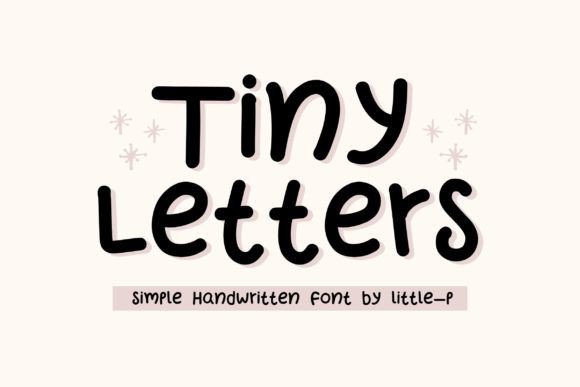
Tiny Letter is a premium font built on a simple idea: to provide a compact, cute, and incredibly versatile typeface for a world of digital and print projects. Its letterforms are petite and neat, with a consistent baseline and a gentle, rounded quality. This isn't a wild, illegible script font; it's a carefully crafted display font designed for clarity and charm. The overall feel is one of warmth and authenticity, making it an excellent tool for anyone looking to inject a bit of personality into their work without sacrificing readability.
Where Does Tiny Letter Truly Shine?
The real strength of a font like Tiny Letter lies in its adaptability. It's a workhorse creative font that can be applied across numerous contexts, from personal projects to commercial font applications for your business. Think of it as a design asset that adds a layer of friendly communication.
For digital planners and journaling apps, Tiny Letter is a natural fit. Its small size and clear legibility on screens make it perfect for headers, labels, and annotations without overwhelming the page. Similarly, in web design, it can be used for short bursts of text like button labels, pull quotes, or stylistic headings that need to stand apart from body copy. It brings a human touch to the digital interface.
Beyond the screen, its applications are just as broad. Consider using it for:
- Invitations and Greeting Cards: Its charming nature sets a welcoming tone for events, from birthdays to casual get-togethers.
- Packaging Design: For artisanal products, small-batch goods, or eco-friendly brands, this font communicates care and personality.
- Social Media Graphics: Create engaging quotes, story highlights, or post overlays that feel personal and shareable.
- Stickers and Sublimation Graphics: The clean, compact design translates beautifully to physical products, ensuring your message is always clear.
- Wall Art and Decor: Its endearing style is ideal for motivational prints, nursery art, or whimsical home decor pieces.
Essentially, any project where you want to convey friendliness, approachability, and a bit of handmade charm is a good candidate for Tiny Letter. It’s less about formal editorial design and more about creating a connection.
Using Tiny Letter Effectively in Your Designs
Simply choosing a font isn't enough; using it well is what separates good design from great design. Integrating a handwritten font like Tiny Letter into your brand identity or project requires a bit of strategy to ensure it enhances, rather than detracts from, your message.
Readability and Hierarchy
First, a note on readability. While Tiny Letter is clear for a handwritten style, it's still best used at smaller sizes or for short phrases. It's not your primary body copy font for a long blog post. Instead, use it to create a visual hierarchy. Pair it with a clean, neutral sans serif font for body text. Let the sans serif handle the heavy lifting of information, and use Tiny Letter for headlines, subheadings, or call-to-action elements that need a pop of personality. This contrast guides the reader's eye and makes your layout more dynamic.
Evaluating Fit and Font Pairings
Before committing, test how Tiny Letter feels within the context of your project. Does its playful tone match the subject matter? A law firm's logo design probably isn't the right fit, but a bakery's brand most certainly is. When creating font pairing, look for balance. A geometric sans serif or a simple, sturdy serif often works well, providing a stable foundation for Tiny Letter's expressive character. Avoid pairing it with another highly stylized font, as they will compete for attention.
Exploring Styles and Licensing
Many premium fonts come with more than one style. Check if Tiny Letter includes alternates, ligatures, or different weights. These extras can add valuable variety to your designs, allowing you to create unique typographic compositions that feel custom-made. Finally, always be mindful of the license. If you're using it for social media graphics for a client, on products for sale, or in a logo, ensure you have the appropriate commercial license. Respecting font licensing is a fundamental part of professional practice.
By thoughtfully applying Tiny Letter, you can transform standard projects into engaging experiences. It’s a tool that helps bridge the gap between digital precision and human warmth, making your work not just seen, but felt. Embrace its unique appeal and see how a small font can make a big impact on your audience.