Christmas Bonitha: A Guide to This Elegant Script Font
There is a specific moment in design when a project shifts from simply informative to genuinely evocative. It often happens when you find the right typeface. A font does more than present words; it carries a tone, a personality, a whisper of a story. For many projects, from holiday marketing to wedding invitations, that story is one of warmth, elegance, and a personal touch. This is where a typeface like Christmas Bonitha finds its purpose. It is a beautiful and elegant handwritten font designed to infuse digital and print materials with a sense of authentic, crafted charm.
The Visual Character and Appeal
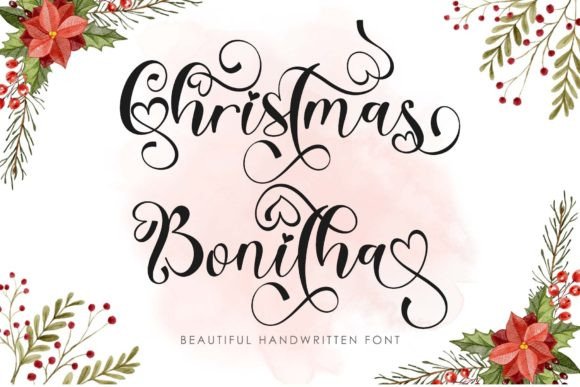
Christmas Bonitha is a script font that leans into its handwritten nature with a fluid, connected style. The letterforms exhibit a natural flow, mimicking the slight variations and gentle pressure changes of a skilled hand using a brush or pointed pen. This gives it a distinct personality that feels both personal and polished. It is not a rough, sketchy script; rather, it is a premium font with a clear sense of rhythm and grace. The capital letters often feature elegant swashes or flourishes, providing a dramatic start to a word or phrase, while the lowercase letters connect smoothly for excellent readability in short bursts.
Its versatility is a key strength. The font includes a full set of capital and lowercase letters, numbers, punctuation, and essential ligatures—those special character pairings that prevent awkward collisions between letters like 't' and 'h' or 'b' and 'o'. This attention to detail ensures that the text looks intentional and well-crafted. Furthermore, with multilingual support, Christmas Bonitha becomes a viable choice for projects targeting a global audience, a practical consideration for many modern brands and creators.
Strategic Applications: Where Christmas Bonitha Shines
Understanding a font's personality is the first step. Knowing where to apply it is the practical next one. Christmas Bonitha is a display font, meaning it is engineered for impact at larger sizes, such as headlines, logos, and short quotes. It is not intended for setting long paragraphs of body copy, where a clean serif font or sans serif font would be more appropriate for sustained readability.
Its strengths align perfectly with specific project types:
- Event and Seasonal Design: The font's name points to its obvious application for Christmas and fall-themed designs. Think holiday greeting cards, festive social media graphics, seasonal sale banners, and Thanksgiving menu designs. Its elegant script style also makes it a natural fit for Halloween invitations or autumnal branding where a touch of sophistication is desired.
- Wedding and Celebration Stationery: From save-the-dates and invitations to ceremony programs and thank-you cards, Christmas Bonitha excels in the world of wedding typography. Its handwritten feel conveys intimacy and celebration, setting a romantic and personal tone for the entire event suite.
- Branding and Logo Design: For businesses that want to project a boutique, artisan, or personal brand identity, this font can be a powerful asset. It works well for logos for bakeries, florists, boutique shops, consultants, or any service where a human touch is a key differentiator. Pairing it with a simple sans serif font for supporting text creates a balanced and professional look.
- Publishing and Editorial Use: In editorial design, Christmas Bonitha can be used for article headers in a magazine, chapter titles in a book, or pull quotes that need to stand out. It adds a layer of visual interest and breaks up the monotony of standard typographic layouts.
- Digital Marketing and Social Media: In the fast-scrolling world of social media, a distinctive creative font can stop a thumb. Use Christmas Bonitha for Instagram story text, Facebook ad headlines, Pinterest pin titles, or YouTube video thumbnails to grab attention and convey a specific aesthetic quickly. It is equally effective for packaging design, where it can highlight a product's name on a label or box, and for stickers used in branding or crafting.
Practical Guidance for Designers and Creators
Choosing a font is a decision that affects the entire visual hierarchy and audience engagement of a project. Here is a practical framework for evaluating and using Christmas Bonitha effectively.
Evaluating Project Fit
Before selecting any typeface, define the project's core message. Is the goal to feel luxurious, playful, rustic, or modern? Christmas Bonitha communicates elegance, warmth, and a handmade quality. If your project's ethos is corporate, technical, or minimalist in a stark, geometric way, this script font may feel out of place. Its value is in adding personality, so ensure that personality aligns with your brand strategy or the client's vision.
Mastering Font Pairing
The true power of a display font like Christmas Bonitha is unlocked through intelligent font pairing. A common and effective strategy is to contrast it with a neutral, highly legible typeface. A clean sans serif font like Montserrat or Lato provides a modern, stable counterbalance. A classic serif font like Georgia or Playfair Display can create a more traditional, sophisticated feel. The key is to allow Christmas Bonitha to be the star for headlines or key phrases, while its partner handles the heavier lifting of body text, ensuring overall readability.
Testing and Technical Considerations
Always test a font in context. Type out the specific words and phrases your project will use. Check how the ligatures render and if the swashes on the capitals create any spacing issues with adjacent letters. Review the full character set provided; often, premium fonts include alternate styles or additional swashes that can offer more design flexibility.
For digital applications, particularly web design, consider performance. While modern browsers support custom web fonts, a heavy script font can impact page load times if not optimized. For print, ensure you have the correct commercial license for your project's scope—whether it's for a single client, unlimited prints, or merchandise. This is a critical step in professional practice, protecting both you and your client.
Christmas Bonitha is more than just a set of letters; it is a design asset. When used thoughtfully, it can elevate a project's aesthetic, strengthen its brand perception, and create a more engaging experience for the audience. It reminds us that in the world of modern typography, the right letterform can tell a story all on its own.